Quick Summary
- What is FIRE? Financial Independence, Retire Early - a movement focused on aggressive saving and investing to retire decades earlier than traditional retirement age.
- How to achieve it: Save and invest 50% or more of your income in low-cost index funds and ETFs.
- FIRE number: The amount you need to invest to live off the returns (typically 25x your annual expenses).
- Popular in Australia: The r/fiaustralia community shares strategies and experiences for achieving FIRE Down Under.
- Best investments: Low-cost Australian ETFs like VAS, A200, and IOZ, which provide diversified exposure to the ASX.
Financially Invest Retire Early (FIRE)
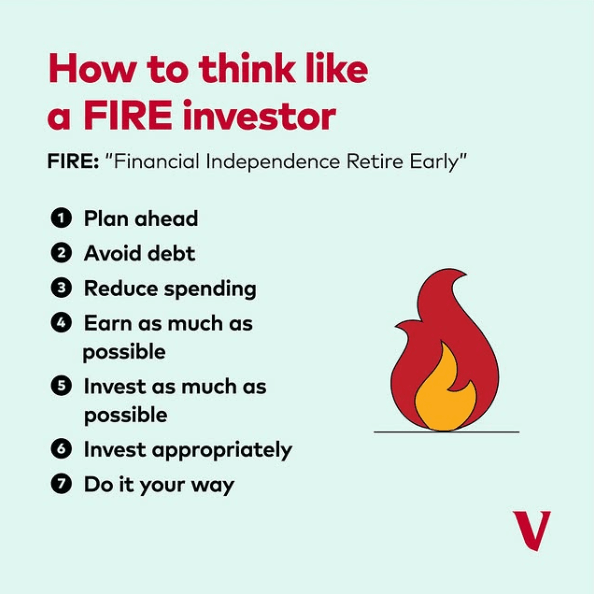
FIRE (Financial Independence, Retire Early) is about saving and investing aggressively so you can retire much earlier than usual – think 40s or even 30s. The core idea is to live below your means and invest a large portion of your income (often 20% or more), allowing your money to grow and eventually support you.
To achieve FIRE, you need to save diligently, spend less, and invest wisely. Many in the FIRE community embrace a minimalist lifestyle. If you're in Australia, the reddit.com/r/fiaustralia subreddit is a great resource, full of Aussies sharing their FIRE journeys. ASIC's MoneySmart website also offers helpful information on saving and investing: https://moneysmart.gov.au/saving and https://moneysmart.gov.au/how-to-invest
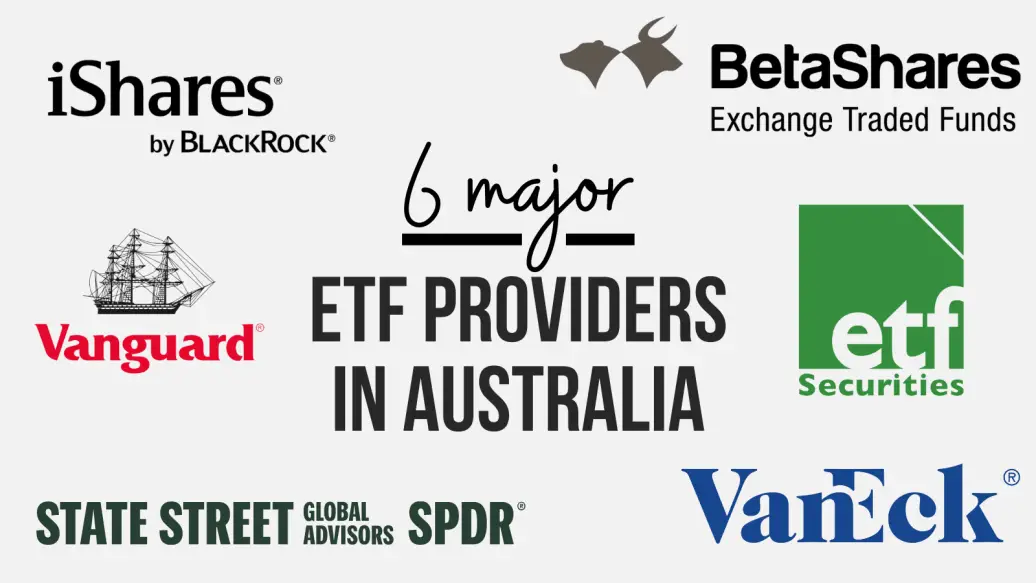
Exchange-Traded Funds (ETFs) are popular investments for those pursuing FIRE. ETFs are like baskets of different investments, offering diversification and ease of trading. Major ETF providers in Australia include Vanguard, BetaShares, and BlackRock iShares. Popular ETFs include Vanguard's VAS, BetaShares' A200, and iShares' IOZ. For more information about ETFs, visit: https://moneysmart.gov.au/managed-funds-and-etfs/exchange-traded-funds-etfs
To buy ETFs, you need a brokerage account. Online brokers like Pearler, Stake, SelfWealth, and CMC Markets are popular due to their low fees and ease of use. Compare them to find one that suits you, and ideally, choose a CHESS-sponsored broker so you directly own your shares. MoneySmart has a guide on buying and selling shares: https://moneysmart.gov.au/shares/how-to-buy-and-sell-shares
Before starting, figure out your "FIRE number" – the amount needed to live off your investments. While aiming to invest 50% or more of your income is common, always only invest what you can afford. Use my simple compound interest calculator to project your investment growth and determine your target FIRE number! Establish an emergency fund and create a budget before investing. Once you know your FIRE number, set up automatic savings to regularly invest. Remember, FIRE is a long-term strategy, so choose investments aligned with your risk tolerance.
Disclaimer: This article provides general information about the FIRE movement and investing in Australia. It is not financial advice. Consult with a qualified financial advisor to create a personalized plan that meets your individual needs and circumstances.
Key Takeaways
- FIRE requires aggressive saving (often 50%+ of income) and smart investing.
- Low-cost index ETFs like VAS, A200, and IOZ are ideal for building wealth.
- Your FIRE number is typically 25x your annual expenses.
- Join the r/fiaustralia community for local strategies and support.
- Always consult a qualified financial advisor for personalized advice.